Choosing The Right Chemical Peels For Acne, Pigmentation, Or Uneven Skin Texture
Chemical peels are one of the most effective non-surgical treatments for improving acne, pigmentation, and uneven skin texture. By exfoliating damaged outer layers of skin, chemical peels stimulate cell turnover, promote collagen production, and reveal a smoother, clearer complexion. However, not all chemical peels are the same, and choosing the wrong type can lead to […]
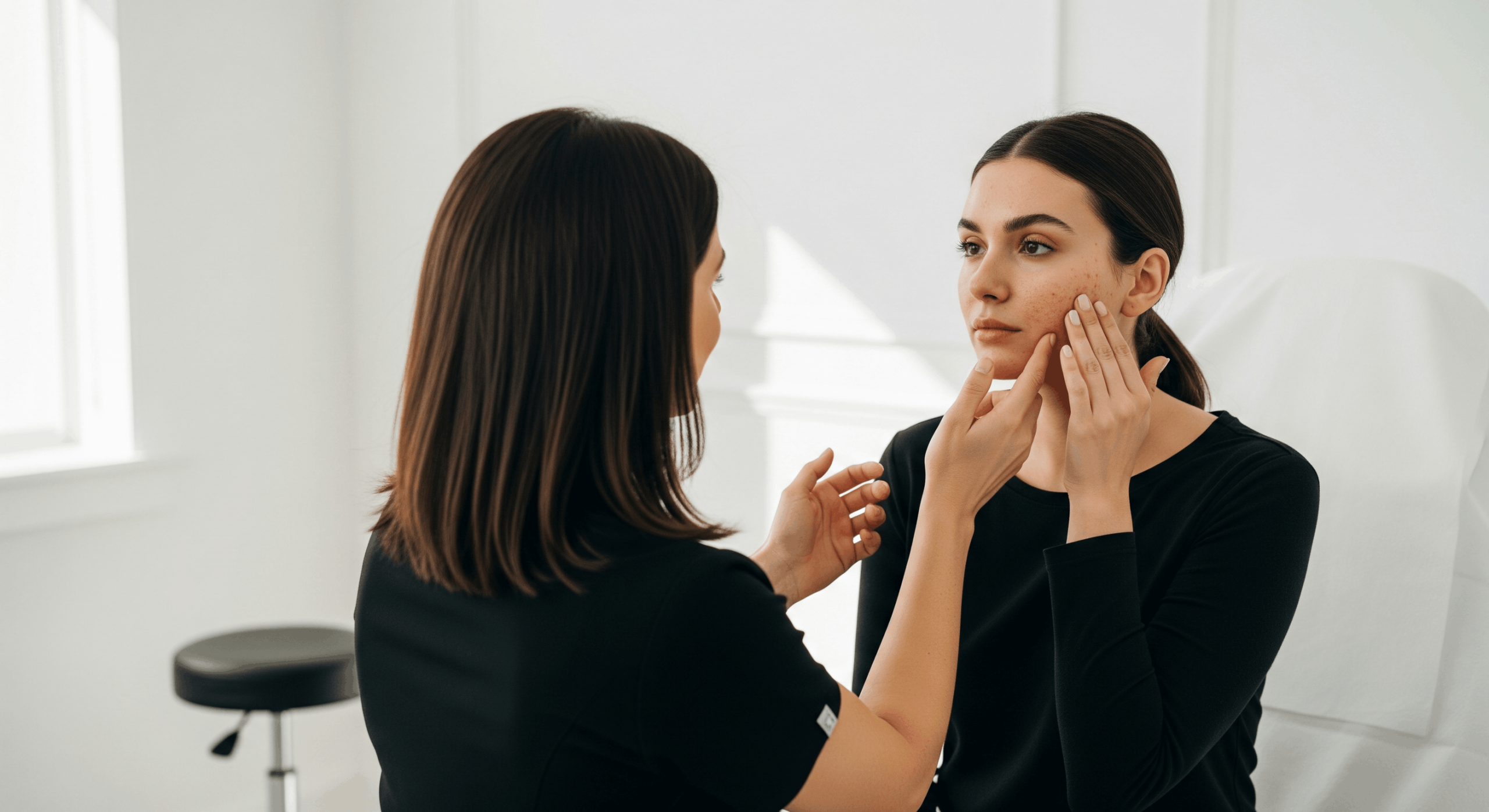
Chemical peels are one of the most effective non-surgical treatments for improving acne, pigmentation, and uneven skin texture. By exfoliating damaged outer layers of skin, chemical peels stimulate cell turnover, promote collagen production, and reveal a smoother, clearer complexion. However, not all chemical peels are the same, and choosing the wrong type can lead to underwhelming results or unnecessary irritation.
At Ridha Plastic Surgery & Medspa, we customize chemical peel treatments based on skin type, concern severity, and long-term skin health goals. Understanding how different chemical peels work—and which skin concerns they are best suited for—helps our patients achieve visible improvement while protecting the integrity of their skin.
Jump To:
- TLDR – Quick Guide
- Detailed Breakdown
- How Chemical Peels Improve the Skin
- Choosing Chemical Peels for Acne-Prone Skin
- Chemical Peels for Pigmentation and Sun Damage
- Improving Uneven Skin Texture With Chemical Peels
- Why Skin Type Matters When Choosing Chemical Peels
- Light, Medium, and Deep Chemical Peels Explained
- Combining Chemical Peels With Other Treatments
- What Actually Helps Achieve Better Peel Results
- Key Takeaways
- FAQs
TLDR – Quick Guide
- Chemical peels vary in strength and depth
- Different peels target acne, pigmentation, or texture
- Skin type and sensitivity determine the best option
- Stronger peels are not always better
- Professional evaluation ensures safe, effective results
Detailed Breakdown
How Chemical Peels Improve the Skin
Chemical peels use carefully formulated acids to exfoliate the skin and trigger renewal. As damaged cells shed, healthier skin rises to the surface, improving tone, texture, and clarity. Depending on the formulation and depth, chemical peels can address concerns ranging from mild breakouts to stubborn discoloration and rough skin.
The key to success is matching the peel to the skin concern. Overly aggressive peels can disrupt the skin barrier, while mild peels may not be strong enough to deliver meaningful improvement for certain conditions.
Choosing Chemical Peels for Acne-Prone Skin
Acne-focused chemical peels are designed to reduce oil production, unclog pores, and minimize inflammation. Ingredients such as salicylic acid and glycolic acid penetrate pores to dissolve debris and reduce breakouts. These peels are especially helpful for patients struggling with persistent acne or post-acne congestion.
When performed as part of professional med spa treatments, acne-focused chemical peels can also help reduce acne scarring and prevent future breakouts without relying solely on medication.
Chemical Peels for Pigmentation and Sun Damage
Pigmentation issues such as melasma, sunspots, and uneven tone respond well to medium-depth chemical peels that target excess melanin. These peels help fade discoloration by accelerating skin turnover and encouraging more even pigment distribution.
Patients with pigmentation concerns benefit most from gradual treatment plans. Aggressive peels may worsen discoloration if not properly selected, which is why treatment planning at a Saratoga Plastic Surgery practice prioritizes safety and skin type assessment.
Improving Uneven Skin Texture With Chemical Peels
Rough texture, fine lines, and dull skin often result from slowed cell turnover and collagen loss. Chemical peels stimulate renewal and improve skin smoothness by encouraging collagen production beneath the surface. Over time, skin appears more refined and resilient.
For texture concerns, peel depth and frequency are carefully balanced. Multiple treatments may be recommended to achieve noticeable improvement while maintaining skin health.
Why Skin Type Matters When Choosing Chemical Peels
Skin tone, sensitivity, and history of irritation all influence which chemical peels are appropriate. Certain peels may increase the risk of hyperpigmentation in darker skin tones if not selected properly. Sensitive skin may require gentler formulations and longer intervals between treatments.
This is why professional evaluation matters. At Ridha Plastic Surgery & Medspa, chemical peels are selected with both immediate results and long-term skin integrity in mind.
Light, Medium, and Deep Chemical Peels Explained
Light chemical peels address mild acne, dullness, and early texture changes with minimal downtime. Medium-depth peels treat pigmentation, moderate acne scarring, and uneven tone with more noticeable peeling and recovery. Deep peels are reserved for significant texture damage and advanced aging concerns and require careful oversight.
Choosing the appropriate depth ensures results without unnecessary risk. Deeper does not always mean better.
Combining Chemical Peels With Other Treatments
Chemical peels often work best when combined with complementary treatments. Injectables, laser treatments, or medical-grade skincare may be recommended to enhance results and maintain improvements.
As part of comprehensive injectable treatments and fillers and skin rejuvenation planning, chemical peels support long-term skin health rather than acting as a standalone fix.
What Actually Helps Achieve Better Peel Results
Successful chemical peel outcomes depend on thoughtful planning and aftercare. Proven factors that improve results include:
- Selecting the correct peel for the specific concern
- Proper skin preparation before treatment
- Following post-peel care instructions closely
- Avoiding sun exposure during recovery
- Receiving treatments at an experienced Saratoga Plastic Surgery provider
These steps help protect the skin barrier and maximize visible improvement.
Key Takeaways
- Chemical peels are highly effective for acne, pigmentation, and texture
- Different peels target different skin concerns
- Skin type and sensitivity guide peel selection
- Stronger peels are not always the best choice
- Ridha Plastic Surgery & Medspa customizes treatments for safe, lasting results
FAQs
How often can I get chemical peels?
Frequency depends on the type of peel used and your skin’s response. Light peels may be done every few weeks, while medium peels require more time between treatments. Your provider will recommend a safe schedule.
Are chemical peels safe for sensitive skin?
Yes, when properly selected. Gentler chemical peels can improve skin without causing irritation. Professional evaluation ensures compatibility with sensitive skin.
Do chemical peels help with acne scars?
Chemical peels can improve mild acne scarring by promoting collagen and skin renewal. Deeper scars may require combination treatments. Results vary based on scar type and depth.
Will chemical peels make pigmentation worse?
When chosen incorrectly, peels can worsen pigmentation. Proper peel selection and aftercare significantly reduce this risk. This is why professional treatment is essential.
Is there downtime after chemical peels?
Downtime varies by peel depth. Light peels have minimal downtime, while medium peels involve visible peeling for several days. Your provider will explain what to expect.